The kitchen is one of the busiest rooms in any home, and the condition of the cabinets has a significant impact on its overall appearance. Over time, cabinets can become faded, scratched, stained, or simply outdated, making the entire kitchen feel older than it actually is. Replacing cabinets is often expensive and disruptive, which is why many homeowners consider professional cabinet painting as an alternative. Skilled Modesto Cabinet Painters can restore existing cabinets with a smooth, durable finish that gives the kitchen a completely refreshed look. Understanding the benefits of hiring cabinet painters helps homeowners decide whether painting is the right solution for their next kitchen improvement project.
Why Do Homeowners Choose Cabinet Painters Instead of Replacing Cabinets?
Many homeowners choose cabinet painters because painting offers a cost-effective way to modernize a kitchen without removing the existing cabinetry. If the cabinet boxes remain structurally sound, there is often no need to replace them entirely. A fresh coat of paint can dramatically change the appearance of the room while preserving the existing layout. This approach minimizes waste and allows homeowners to enjoy a new look without undergoing a major renovation. Cabinet painting provides a practical balance between affordability and visual improvement.
Painting cabinets also creates less disruption than a complete cabinet replacement project. Since the existing cabinet framework stays in place, there is usually no need for extensive demolition or modifications to plumbing, electrical systems, or countertops. Homeowners can often complete their kitchen update more quickly while maintaining the functionality of the space. The shorter project timeline makes cabinet painting an attractive option for busy households. A refreshed kitchen can often be achieved with less inconvenience.
What Does a Professional Cabinet Painting Process Include?
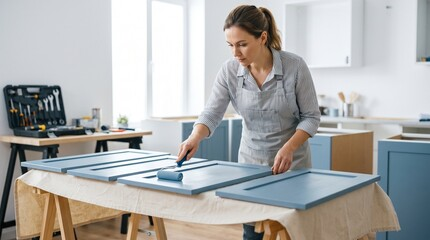
Professional cabinet painters begin by carefully preparing every surface before any paint is applied. Cabinet doors, drawers, shelves, and hardware are usually removed so each piece can be painted evenly. Every component is labeled to simplify reinstallation after the project is complete. Thorough preparation helps ensure that the finished cabinets look consistent throughout the kitchen. Careful organization also reduces the likelihood of installation problems later.
Cleaning and surface preparation are equally important because kitchen cabinets often accumulate grease, cooking residue, dust, and fingerprints over many years of use. After cleaning, the surfaces are sanded to improve paint adhesion and create a smooth foundation for primer. Once the primer has fully cured, multiple coats of high-quality cabinet paint are applied using techniques designed to produce an even, durable finish. Allowing proper drying time between coats helps maximize both appearance and longevity. Every preparation step contributes to professional-quality results.
Why Is Surface Preparation So Important?
Surface preparation plays one of the biggest roles in determining how well painted cabinets perform over time. Cabinets that are not properly cleaned or sanded may develop peeling, chipping, or uneven finishes much sooner than expected. Removing grease, dirt, and old surface contaminants allows primer and paint to bond securely with the cabinet material. This strong bond helps the finish withstand daily use in a busy kitchen. Proper preparation improves both durability and appearance.
Minor imperfections are also addressed during the preparation stage before painting begins. Small dents, scratches, nail holes, or worn areas may be repaired to create a smoother finished surface. These repairs prevent flaws from remaining visible after the new paint has been applied. Attention to these details helps the cabinets achieve a more refined appearance that closely resembles factory-finished cabinetry. Investing time in preparation produces better long-term results.
How Do Cabinet Painters Achieve a Smooth Finish?
One of the main advantages of hiring experienced cabinet painters is their ability to create a smooth, consistent finish across every cabinet surface. Rather than applying thick coats of paint, professionals generally build the finish using multiple thin coats that reduce the risk of brush marks, drips, or uneven texture. Each layer is allowed to dry properly before the next coat is applied. This careful process produces greater color consistency and durability. Patience during application contributes to a more attractive result.
Professional painters also select application methods based on the type of cabinets and the desired finish. Brushes, rollers, and spray equipment each have specific advantages depending on the project. Spray applications often create an exceptionally smooth appearance with minimal visible texture, while brushes may be useful for detailed trim or decorative profiles. Regardless of the equipment used, maintaining consistent coverage remains the primary goal. Uniform application gives the finished kitchen a polished appearance.
How Long Do Professionally Painted Cabinets Last?
The longevity of painted cabinets depends on several factors, including the quality of the preparation, the materials used, and how well the cabinets are maintained after completion. Cabinets painted with durable products and applied over properly prepared surfaces can continue looking attractive for many years under normal household use. Daily care also influences how well the finish withstands frequent opening, closing, and cleaning. Consistent maintenance helps preserve the appearance of the cabinets over time.
Homeowners can extend the life of painted cabinets by cleaning them with gentle, non-abrasive products and avoiding harsh chemicals that may damage the finish. Moisture should be wiped away promptly, especially around sinks, dishwashers, and cooking areas where humidity levels are often higher. Addressing small chips or scratches early also prevents additional wear from developing. Routine care helps maintain the kitchen’s refreshed appearance for many years. Proper maintenance protects the investment.
What Should Homeowners Consider Before Hiring Cabinet Painters?
Choosing cabinet painters involves more than comparing prices alone. Homeowners should understand the preparation methods, paint products, project timeline, and warranty information before making a decision. A detailed estimate should explain each stage of the painting process so there are no surprises once work begins. Understanding the full scope of the project allows homeowners to compare services more accurately. Clear communication contributes to a smoother remodeling experience.
It is also helpful to discuss color selections, finish options, and any desired hardware upgrades before the project starts. Some homeowners choose to replace cabinet handles, knobs, or hinges while the cabinets are already being refinished to complete the updated appearance. Planning these details in advance helps ensure that the finished kitchen reflects the homeowner’s design goals. Careful preparation supports better project outcomes. Thoughtful planning often leads to greater long-term satisfaction.
Is Hiring Cabinet Painters Worth the Investment?
For many homeowners, hiring professional cabinet painters is a worthwhile investment because it delivers significant visual improvement without the expense of replacing every cabinet. Existing cabinets that remain structurally sound can often be transformed into a modern, attractive feature that complements the rest of the kitchen. This approach allows homeowners to maximize the value of their existing cabinetry while creating a fresh new look. Cabinet painting offers an effective balance between affordability and style. The results can dramatically improve the overall atmosphere of the kitchen.
Professionally painted cabinets may also enhance the perceived value of the home by improving one of its most frequently used living spaces. Updated cabinetry often creates a brighter, cleaner, and more inviting kitchen that appeals to both homeowners and potential buyers. While every remodeling project should be evaluated individually, cabinet painting continues to be one of the most practical ways to refresh a residential kitchen. Investing in quality workmanship and proper materials helps ensure lasting beauty and performance.
Final Thoughts
Professional cabinet painters provide homeowners with an effective way to transform a residential kitchen without the cost and disruption of replacing existing cabinets. Through careful preparation, quality materials, and skilled application techniques, painted cabinets can achieve a smooth, durable finish that enhances the appearance of the entire space. Understanding the painting process, selecting experienced professionals, and maintaining the finished cabinets properly all contribute to long-lasting results. For homeowners seeking an affordable kitchen upgrade, cabinet painting remains one of the most valuable renovation options available.