A septic system operates underground throughout the year, which means changing weather conditions can have a significant effect on how efficiently it handles household wastewater. Heavy rain can saturate the drain field, freezing temperatures may affect exposed or shallow components, and prolonged dry conditions can change the soil surrounding the system. Seasonal weather can also influence how quickly wastewater moves through the soil and how easily maintenance professionals can access septic components. Although a properly designed and maintained system is built to handle normal environmental changes, extreme conditions can create additional stress. Understanding how weather conditions affect septic systems can help homeowners recognize potential problems and take preventive steps before seasonal changes contribute to backups, drainage issues, or costly repairs. Visit Website for more information.
How Does Heavy Rain Affect a Septic System?
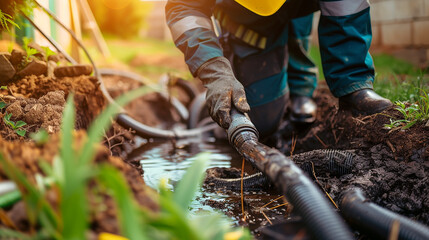
Heavy or prolonged rainfall can create problems when the soil surrounding the drain field becomes saturated with water. A drain field depends on unsaturated soil to accept and treat wastewater leaving the septic tank. When rainfall fills much of the available pore space in the soil, wastewater may have more difficulty dispersing at its normal rate. This can temporarily reduce the system’s ability to handle large amounts of household water. Excessive indoor water use during these conditions can place additional stress on the system.
Homeowners may notice slower drains, gurgling plumbing, sewage odors, or unusually wet areas around the drain field following significant rainfall. These symptoms do not automatically mean the septic system has permanently failed, but they should not be ignored. Reducing unnecessary water use can help decrease the amount of wastewater entering an already stressed system. Laundry, long showers, and other high-volume activities may need to be limited until conditions improve. Persistent backups or wastewater surfacing outdoors should be evaluated professionally.
Can Flooding Damage a Septic System?
Flooding can create more serious challenges because both the septic tank area and drain field may become surrounded by water. Saturated soil can prevent the drain field from accepting wastewater effectively, while floodwater may also affect electrical components in systems that use pumps or other powered equipment. Soil movement and erosion can potentially expose or damage parts of the system. Floodwater can also create sanitation concerns around septic components. Homeowners should use additional caution when a septic property has experienced significant flooding.
Septic tanks should generally not be pumped simply because the surrounding ground is flooded unless a qualified professional determines that service is appropriate. Removing the contents of a tank under certain saturated-ground conditions can create structural concerns because groundwater pressure may act against an emptied tank. Instead, household water use should be minimized while the system is evaluated. Electrical equipment that has been submerged should also be inspected before being returned to service. Professional assessment is particularly important after severe flooding.
How Do Freezing Temperatures Affect Septic Systems?
Cold weather can affect septic systems when temperatures remain below freezing for extended periods. Wastewater entering the tank normally carries some warmth, and biological activity within the system also contributes heat. However, shallow pipes, tanks, or drain field components may become vulnerable when they lack adequate soil cover or insulation. Long periods of extremely low household water use can also reduce the amount of warm wastewater entering the system. Under certain conditions, components can freeze and restrict wastewater flow.
Snow cover can actually provide useful insulation because it helps protect the soil from extremely cold air temperatures. Problems may be more likely where snow has been compacted by vehicles, equipment, or repeated foot traffic over the septic area. Compacted soil and snow may provide less effective insulation and can potentially affect underground components in other ways. Homeowners should avoid driving over septic tanks and drain fields throughout the year. Protecting these areas becomes particularly important during winter.
Can Snow and Ice Cause Septic Problems?
Snow itself is not necessarily harmful to a septic system and can help insulate underground components. Problems are more likely to develop when snow is heavily compacted, removed repeatedly from the septic area, or accompanied by prolonged freezing conditions. Plowing or storing heavy piles of snow over septic components may also create unnecessary weight and make access difficult. Homeowners should know where the tank and drain field are located before winter maintenance begins. Keeping heavy equipment away helps protect the system.
Melting snow can create another challenge when large amounts of water enter the surrounding soil over a short period. If snowmelt occurs while the ground is still partially frozen, water may drain slowly and contribute to saturated conditions around the drain field. This situation can resemble the effects of heavy rainfall. Reducing unnecessary household water use during unusually wet spring conditions may help lessen stress on the system. Drainage around the property should also direct surface water away from septic components whenever possible.
Does Hot and Dry Weather Affect Septic Systems?
Hot weather generally does not create the same immediate drainage problems as flooding, but extended dry periods can still affect the soil and vegetation around a septic system. Certain soils may shrink or crack as they become extremely dry. Significant soil movement can potentially place stress on buried pipes or other components, particularly when drought is followed by rapid rewetting. Dry conditions can also change the appearance of vegetation over the drain field. Homeowners should continue monitoring the area for unusual changes.
A drain field should not be intentionally flooded simply because the weather is hot or dry. Adding unnecessary water can overload the system rather than protect it. Normal household wastewater should provide the flow needed for a properly functioning system under ordinary conditions. Landscaping above the drain field should also be selected carefully so roots do not interfere with underground components. Appropriate vegetation can help stabilize soil without requiring excessive irrigation.
How Can Hurricanes and Severe Storms Affect Septic Systems?
Severe storms can combine several conditions that place stress on septic systems at the same time. Intense rainfall may saturate the drain field, flooding can affect tanks and electrical components, and strong winds can damage trees near underground septic lines. Falling branches or uprooted trees may disturb soil and potentially affect buried components. Power outages can also interrupt systems that depend on pumps. Preparing for severe weather includes understanding which parts of the septic system require electricity.
After a major storm, homeowners should inspect the general septic area from a safe distance for obvious changes. Standing wastewater, strong sewage odors, exposed components, unusual depressions, or significant erosion may indicate that professional evaluation is needed. Submerged electrical equipment should not be handled casually. Household water use may need to be limited until the system is known to be functioning correctly. Prompt assessment can help prevent a weather-related problem from becoming more extensive.
How Can Homeowners Protect a Septic System During Wet Weather?
Managing household water use is particularly important when the ground is already saturated. Activities that use large quantities of water can be distributed over time rather than completed all at once. Leaking faucets and running toilets should be repaired because they continuously send unnecessary water into the septic tank. Washing machines and dishwashers should be operated thoughtfully during periods of unusually heavy rain. Reducing hydraulic load gives the drain field a better opportunity to handle wastewater.
Surface drainage around the property should also be managed appropriately. Roof downspouts, sump pump discharge, and landscape drainage should not intentionally direct large amounts of water toward the septic tank or drain field. The goal is to prevent unnecessary surface water from adding to already wet soil conditions. Property grading should support drainage away from critical septic areas where appropriate. Keeping the drain field from receiving avoidable runoff can improve its ability to manage household wastewater.
How Can You Protect a Septic System During Cold Weather?
Preventive preparation before winter can reduce the risk of cold-weather problems. Homeowners should know the location of their septic tank, pipes, and drain field and keep vehicles and heavy equipment away from these areas. Appropriate vegetation can help trap snow and provide additional natural insulation. Exposed plumbing components should receive appropriate protection when necessary. Maintenance is easier to manage before the ground becomes deeply frozen.
Regular household water use can also help maintain normal operating conditions, although homeowners should never waste water intentionally to prevent freezing. Properties that remain vacant for long periods may require additional winterization considerations because little or no wastewater enters the system. Professional guidance can be useful for seasonal homes or properties located in extremely cold climates. If a septic line freezes, homeowners should avoid unsafe attempts to thaw it themselves. Appropriate professional equipment can address the problem without unnecessarily damaging the system.
What Weather-Related Septic Warning Signs Should You Watch For?
Changes in drainage are among the most important warning signs. Multiple slow drains, toilets that do not flush normally, gurgling sounds, and wastewater backups can indicate that the system is struggling to move wastewater effectively. If these symptoms appear during or immediately after heavy rain, saturated soil may be contributing to the problem. Similar symptoms during extreme cold may indicate a frozen or restricted component. The timing of the problem can provide useful information during professional diagnosis.
Outdoor warning signs are equally important. Standing water, sewage odors, wastewater surfacing near the drain field, erosion around septic components, or unexplained depressions in the ground deserve attention. Homeowners should avoid walking through areas where wastewater may have surfaced because of potential contamination. Persistent symptoms should not simply be blamed on the weather and ignored. Extreme weather can reveal an underlying septic problem that already existed.
Why Is Routine Septic Maintenance Important in Every Season?
Regular maintenance helps a septic system handle seasonal conditions more reliably. Pumping the tank according to the system’s needs prevents excessive sludge from reducing usable capacity or moving toward downstream components. Routine inspections can also identify damaged lids, deteriorated baffles, drainage concerns, and other issues before severe weather adds additional stress. A well-maintained system is generally better prepared for normal environmental changes. Preventive care reduces the number of problems homeowners need to address during difficult weather.
Maintenance records are also valuable because they help distinguish routine service needs from sudden weather-related changes. Homeowners should know approximately where the tank and drain field are located and when the system was last serviced. This information can be especially useful after flooding, severe storms, or other events that require professional evaluation. Good everyday habits, including responsible water use and proper waste disposal, provide additional protection. Weather cannot be controlled, but many of the factors affecting septic system resilience can be managed.
Final Thoughts
Weather conditions can affect septic systems in several ways, from saturated drain fields after heavy rain to frozen components during prolonged cold weather. Flooding, rapid snowmelt, drought, severe storms, and changing soil conditions can all place additional stress on underground wastewater components. Homeowners can reduce these risks by managing household water use, directing surface runoff away from septic areas, protecting the drain field from vehicles and heavy equipment, and maintaining the system regularly. Warning signs such as multiple slow drains, sewage odors, backups, or wastewater surfacing outdoors should be investigated rather than assumed to be temporary weather effects. With preventive maintenance and careful attention to seasonal conditions, homeowners can help their septic systems operate more reliably throughout the year.