
General Contractors

Cabinet Painters: Why Hiring Professionals Can Transform Your Residential Kitchen

The kitchen is one of the busiest rooms in any home, and the condition of the cabinets has a significant impact on its overall appearance. Over time, cabinets can become faded, scratched, stained, or simply outdated, making the entire kitchen feel older than it actually is. Replacing cabinets is often expensive and disruptive, which is why many homeowners consider professional cabinet painting as an alternative. Skilled Modesto Cabinet Painters can restore existing cabinets with a smooth, durable finish that gives the kitchen a completely refreshed look. Understanding the benefits of hiring cabinet painters helps homeowners decide whether painting is the right solution for their next kitchen improvement project.

Why Do Homeowners Choose Cabinet Painters Instead of Replacing Cabinets?

Many homeowners choose cabinet painters because painting offers a cost-effective way to modernize a kitchen without removing the existing cabinetry. If the cabinet boxes remain structurally sound, there is often no need to replace them entirely. A fresh coat of paint can dramatically change the appearance of the room while preserving the existing layout. This approach minimizes waste and allows homeowners to enjoy a new look without undergoing a major renovation. Cabinet painting provides a practical balance between affordability and visual improvement.

Painting cabinets also creates less disruption than a complete cabinet replacement project. Since the existing cabinet framework stays in place, there is usually no need for extensive demolition or modifications to plumbing, electrical systems, or countertops. Homeowners can often complete their kitchen update more quickly while maintaining the functionality of the space. The shorter project timeline makes cabinet painting an attractive option for busy households. A refreshed kitchen can often be achieved with less inconvenience.

What Does a Professional Cabinet Painting Process Include?

Professional cabinet painters begin by carefully preparing every surface before any paint is applied. Cabinet doors, drawers, shelves, and hardware are usually removed so each piece can be painted evenly. Every component is labeled to simplify reinstallation after the project is complete. Thorough preparation helps ensure that the finished cabinets look consistent throughout the kitchen. Careful organization also reduces the likelihood of installation problems later.

Cleaning and surface preparation are equally important because kitchen cabinets often accumulate grease, cooking residue, dust, and fingerprints over many years of use. After cleaning, the surfaces are sanded to improve paint adhesion and create a smooth foundation for primer. Once the primer has fully cured, multiple coats of high-quality cabinet paint are applied using techniques designed to produce an even, durable finish. Allowing proper drying time between coats helps maximize both appearance and longevity. Every preparation step contributes to professional-quality results.

Why Is Surface Preparation So Important?

Surface preparation plays one of the biggest roles in determining how well painted cabinets perform over time. Cabinets that are not properly cleaned or sanded may develop peeling, chipping, or uneven finishes much sooner than expected. Removing grease, dirt, and old surface contaminants allows primer and paint to bond securely with the cabinet material. This strong bond helps the finish withstand daily use in a busy kitchen. Proper preparation improves both durability and appearance.

Minor imperfections are also addressed during the preparation stage before painting begins. Small dents, scratches, nail holes, or worn areas may be repaired to create a smoother finished surface. These repairs prevent flaws from remaining visible after the new paint has been applied. Attention to these details helps the cabinets achieve a more refined appearance that closely resembles factory-finished cabinetry. Investing time in preparation produces better long-term results.

How Do Cabinet Painters Achieve a Smooth Finish?

One of the main advantages of hiring experienced cabinet painters is their ability to create a smooth, consistent finish across every cabinet surface. Rather than applying thick coats of paint, professionals generally build the finish using multiple thin coats that reduce the risk of brush marks, drips, or uneven texture. Each layer is allowed to dry properly before the next coat is applied. This careful process produces greater color consistency and durability. Patience during application contributes to a more attractive result.

Professional painters also select application methods based on the type of cabinets and the desired finish. Brushes, rollers, and spray equipment each have specific advantages depending on the project. Spray applications often create an exceptionally smooth appearance with minimal visible texture, while brushes may be useful for detailed trim or decorative profiles. Regardless of the equipment used, maintaining consistent coverage remains the primary goal. Uniform application gives the finished kitchen a polished appearance.

How Long Do Professionally Painted Cabinets Last?

The longevity of painted cabinets depends on several factors, including the quality of the preparation, the materials used, and how well the cabinets are maintained after completion. Cabinets painted with durable products and applied over properly prepared surfaces can continue looking attractive for many years under normal household use. Daily care also influences how well the finish withstands frequent opening, closing, and cleaning. Consistent maintenance helps preserve the appearance of the cabinets over time.

Homeowners can extend the life of painted cabinets by cleaning them with gentle, non-abrasive products and avoiding harsh chemicals that may damage the finish. Moisture should be wiped away promptly, especially around sinks, dishwashers, and cooking areas where humidity levels are often higher. Addressing small chips or scratches early also prevents additional wear from developing. Routine care helps maintain the kitchen’s refreshed appearance for many years. Proper maintenance protects the investment.

What Should Homeowners Consider Before Hiring Cabinet Painters?

Choosing cabinet painters involves more than comparing prices alone. Homeowners should understand the preparation methods, paint products, project timeline, and warranty information before making a decision. A detailed estimate should explain each stage of the painting process so there are no surprises once work begins. Understanding the full scope of the project allows homeowners to compare services more accurately. Clear communication contributes to a smoother remodeling experience.

It is also helpful to discuss color selections, finish options, and any desired hardware upgrades before the project starts. Some homeowners choose to replace cabinet handles, knobs, or hinges while the cabinets are already being refinished to complete the updated appearance. Planning these details in advance helps ensure that the finished kitchen reflects the homeowner’s design goals. Careful preparation supports better project outcomes. Thoughtful planning often leads to greater long-term satisfaction.

Is Hiring Cabinet Painters Worth the Investment?

For many homeowners, hiring professional cabinet painters is a worthwhile investment because it delivers significant visual improvement without the expense of replacing every cabinet. Existing cabinets that remain structurally sound can often be transformed into a modern, attractive feature that complements the rest of the kitchen. This approach allows homeowners to maximize the value of their existing cabinetry while creating a fresh new look. Cabinet painting offers an effective balance between affordability and style. The results can dramatically improve the overall atmosphere of the kitchen.

Professionally painted cabinets may also enhance the perceived value of the home by improving one of its most frequently used living spaces. Updated cabinetry often creates a brighter, cleaner, and more inviting kitchen that appeals to both homeowners and potential buyers. While every remodeling project should be evaluated individually, cabinet painting continues to be one of the most practical ways to refresh a residential kitchen. Investing in quality workmanship and proper materials helps ensure lasting beauty and performance.

Final Thoughts

Professional cabinet painters provide homeowners with an effective way to transform a residential kitchen without the cost and disruption of replacing existing cabinets. Through careful preparation, quality materials, and skilled application techniques, painted cabinets can achieve a smooth, durable finish that enhances the appearance of the entire space. Understanding the painting process, selecting experienced professionals, and maintaining the finished cabinets properly all contribute to long-lasting results. For homeowners seeking an affordable kitchen upgrade, cabinet painting remains one of the most valuable renovation options available.

Water Damage Restoration

How Do Restoration Companies Ensure Safety?

Restoration Companies

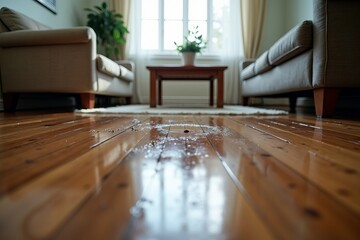
Restoration work is a complex process that requires knowledge, diligence, and a deep commitment to safety, for the workers involved as well as for homeowners relying on them. The risks can range from contaminated floodwaters to mold exposure and electrical hazards.

To minimize disruption and ensure structural integrity, water Restoration Companies Utah follow strict OSHA protocols. They also offer transparent communication and familiarity with insurance protocols to expedite claim approval.

Preparation

As a highly specialized service, biohazard cleanup requires training, experience and the right tools to address the situation in the best way possible. A good restoration company will use a comprehensive approach to clean, disinfect, and restore a property after a biohazard incident. This process ensures that the property is safe, compliant, and comfortable again.

However, despite the best efforts of restoration companies, there are still certain hazards that can exist on a worksite. This is why it’s vital that all companies follow certain safety best practices.

Before starting any restoration project, it’s essential that restoration workers carry out a risk assessment and identify potential issues. This is to ensure that any potential problems can be addressed before they lead to injury or illness. It’s also a great way to make sure that all employees are aware of the risks that they might face on a restoration job site and how to mitigate them.

This step is especially important for restoration workers who are dealing with hazardous materials or working in unstable environments. Creating a thorough health and safety manual is an excellent way to ensure that all workers are protected against any potential risks they might encounter on the job site. It should include a detailed written hazard communication program, a respiratory protection plan and an exposure control plan.

In addition, all restoration workers should be familiar with the specific Occupational Safety and Health Administration (OSHA) standards that are relevant to their job. These include guidelines on structural instability, mold and chemical exposure.

Once all the above steps have been taken, restoration workers should use appropriate personal protective equipment (PPE). This can include PPE such as masks, gloves and hazmat suits. It’s essential that all PPE is inspected regularly and replaced when needed to reduce the risk of accidents on the job.

As the world becomes more prone to natural disasters, it’s likely that restoration companies will continue to see an increase in their business. However, ensuring the safety of restoration workers is essential to avoid unnecessary injury and loss of life. By following the tips outlined above, it’s easy to ensure that restoration companies have the safety protocols in place to complete their work safely.

Containment

Whether it’s working on a mold remediation, water damage, or fire restoration project, containment is vital for maintaining safety. Containment prevents cross-contamination, allowing professionals to focus on affected areas without exposing unaffected parts of the building. This limits the scope of the work and reduces restoration costs.

Properly constructed containment also minimizes the risk of collapse or leakage, protecting both workers and customers. It’s important to consider how long the containment will be in place, as well as space restrictions, and what type of materials will be used to build it. The contractor must also ensure that it can be easily accessed for entry, exit, and equipment removal.

The restoration industry involves a wide variety of hazardous materials, from biological waste to chemical spills. The proper handling of these materials requires specialized training, personal protective equipment (PPE), hospital-grade disinfectants, and strict adherence to safety regulations. Restoration companies follow OSHA and EPA guidelines to protect employees and customers from contamination and ensure that every trace of dangerous contaminants is removed.

Professionals must also adhere to strict hazard assessment and communication requirements, including providing workers with safety data sheets for each substance they’ll be exposed to on the job. This ensures that everyone involved in the project is aware of any potential risks and how to respond to them.

For example, PPE like face masks and respirators must be used when cleaning up contaminated waste or reentering a mold containment. They also need to be properly maintained and replaced as needed.

Strict adherence to OSHA and environmental health and safety regulations demonstrates professionalism and builds trust with customers. It shows that you’re invested in the health and wellbeing of your crews and will go the extra mile to ensure they’re safe at all times. In addition, it helps protect the property you’re restoring from secondary damage caused by poor workmanship or lack of proper safety protocols.

Decontamination

Hazmat (hazardous materials) cleaning is a crucial part of restoration work and should always be entrusted to trained professionals. This type of cleanup focuses on blood, bodily fluids, chemicals and infectious agents that pose health risks when they come into contact with people. Professionals are equipped to properly handle these situations with personal protective equipment, containment tactics and potent disinfectants. They also understand and follow industrial safety protocols and adhere to legal regulations, minimizing risks for everyone involved.

This process involves removing, disinfecting and sanitizing materials, surfaces, and structures affected by biohazardous materials. It ensures harmful contaminants and pathogens are completely eliminated. The decontamination process may involve physical or chemical processes such as autoclaving, dry heat, filtration, irradiation, ultrasonication and chemical fumigation. Other options include using a liquid disinfectant to wipe or soak potentially contaminated material for varying periods of time. It may also involve gas and vapor sterilization, in which case the material is exposed to a sterile gas or vapor such as carbon dioxide, ethylene oxide (ETO), formaldehyde or hydrogen peroxide.

Regardless of the specific method used, it is essential to ensure all traces of contamination are removed from the property before moving forward with restoration work. This step is vital to prevent future liability issues for the property owner, and it can also affect the resale value of a home or commercial space.

Restoration companies often use decontamination lines to protect their workers from contaminants during the restoration process. These lines can consist of a work station with clean clothing, wash solution and lockers for storage. In addition, they can also include personal washing facilities with showers for full body wash. They may also include a cooling station to help cool workers during hot weather.

When it comes to restoration, there are many things that can go wrong. Fortunately, professional restoration services have the experience and resources to manage all types of disasters. They can assist in restoring homes and commercial spaces to their former condition quickly and efficiently, while adhering to strict industry standards. This allows them to offer their clients peace of mind, knowing that they are protected from any future liabilities related to the property.

Remediation

A restoration company’s work isn’t just about cleaning up water damage; it’s also about removing biohazard contaminants that could pose a threat to human health. From sewage backups to chemical spills, these contaminants pose significant risks for illness, infection, and death. Professional restoration companies are trained to handle these situations safely. They know how to properly dispose of biological waste, hazardous chemicals, and contaminated materials and equipment.

They also have the expertise and equipment to properly dry the area and remove odors, preventing secondary damage and mold growth. This ensures that the space is safe for occupancy. Restoration companies often follow strict protocols to reduce the risk of contaminating unaffected areas. This includes using physical barriers to isolate the impacted area from other areas of the property, and they clean surfaces with disinfectants of the highest standard.

To avoid electrical hazards, restoration workers make sure that all electrical systems are de-energized and inspected before starting their work. They also use ground-fault circuit interrupters and avoid standing water when operating electrical tools. They’ll also use air monitoring to assess air quality and wear respiratory protection when working in confined spaces.

Restoration professionals also have the training and personal protective equipment to address situations involving biological waste, including blood, bodily fluids, and hazardous chemicals. These materials can cause serious illnesses if not handled correctly, so it’s essential that these contaminants are dealt with by professionals who have the proper training and knowledge of how to dispose of them.

By following these key safety practices, restoration companies can provide a safer workplace for their employees and the property owners they serve. Their commitment to safety demonstrates professionalism and builds trust with clients, ensuring high-quality results that meet or exceed OSHA guidelines.

Tree Services

The Art and Science of Modern Tree Removal

Tree Removal requires careful planning to ensure safety and efficiency. Every tree has unique characteristics that affect how it is cut. Proper assessment prevents property damage and injury. The process is both technical and strategic.

Tree Removal

Modern tree removal begins with a thorough inspection. Professionals evaluate trunk stability, root spread, and surrounding structures. They also check for disease or decay that may complicate removal. Accurate assessment guides every next step.

Safety is the highest priority during tree removal. Protective gear, ropes, and barriers reduce risk. Falling branches are controlled to prevent accidents. Planning the drop zone is critical before cutting begins.

Some trees are removed due to disease or infestation. Insects, fungi, or viruses can compromise structural integrity. Removing affected trees prevents spread to healthy plants. Early intervention maintains overall landscape health.

Urban tree removal requires special attention. Buildings, power lines, and sidewalks create additional hazards. Planners must account for these factors before any cuts. Precision prevents costly damage in crowded areas.

Equipment has evolved for safer, faster removal. Hydraulic lifts, chainsaws, and stump grinders are commonly used. Some jobs require cranes for large or precarious trees. Technology reduces labor while improving accuracy.

Tree removal is not only about cutting but also disposal. Debris must be safely removed or recycled. Wood can be repurposed for mulch, firewood, or furniture. Proper handling supports sustainability in landscaping.

Environmental considerations are crucial in removal decisions. Planners assess the impact on soil, wildlife, and water flow. Removing trees without strategy can cause erosion or habitat loss. Thoughtful planning balances human needs with nature.

Some trees are removed to make way for construction. Driveways, extensions, or utilities may require clearing. Professionals coordinate with builders to minimize delays. Strategic removal ensures both safety and project efficiency.

Pruning and trimming sometimes serve as alternatives. Selective removal of branches can relieve stress on weak trees. This extends the tree’s life while maintaining safety. Not all trees require full removal.

Root removal is an essential aspect of the process. Remaining stumps can sprout new growth or attract pests. Grinding or chemical treatments prevent regrowth. Proper root management ensures a clean, stable site.

Season affects tree removal planning. Winter may make soil firmer, reducing ground disturbance. Summer may allow faster drying of cut surfaces. Timing impacts both safety and efficiency.

Large trees require sectional removal for safety. Professionals cut branches and sections from the top down. This prevents sudden falls that could damage property. Careful sequencing protects both crew and surroundings.

Tree removal can increase sunlight and airflow. Clearing dense canopies improves conditions for remaining plants. It also reduces mold and moss growth on nearby surfaces. This creates healthier landscapes.

Planning includes assessing nearby structures and vegetation. Avoiding accidental damage to neighboring plants is part of the strategy. Professionals measure angles and distances precisely. Every cut is deliberate.

Some trees are removed to prevent future hazards. Leaning trees or those near power lines pose risks. Removing them proactively avoids emergency situations. Prevention is often safer and cheaper than reaction.

Permits are sometimes required for large or protected trees. Regulations ensure removal does not harm public spaces or ecosystems. Compliance protects property owners from legal issues. Professionals guide clients through these requirements.

Tree removal can improve aesthetics. Overgrown or dying trees may detract from landscaping design. Clearing them enhances sightlines and overall harmony. Gardens and yards feel more organized and inviting.

Some removal projects involve emergency response. Storm-damaged or uprooted trees need immediate attention. Quick action prevents additional property damage. Response teams prioritize safety and rapid clearing.

Tree removal can also intersect with wildlife management. Birds, squirrels, or other animals may inhabit trees. Professionals check for nests before cutting. Humane relocation ensures ecosystem balance.

Advanced techniques include rope-assisted cutting and crane lifts. These methods allow removal in tight or sensitive areas. Controlled lowering of branches prevents accidental impact. Technology increases both safety and efficiency.

Some trees require special disposal due to size or contamination. Treated wood, diseased material, or chemical exposure must be handled carefully. Proper disposal prevents environmental hazards. Responsible management protects soil and water.

Community spaces often require selective tree removal. Parks and playgrounds need safe and open areas. Removing unsafe trees improves public enjoyment and reduces liability. Planning balances safety with natural beauty.

Tree removal may involve soil restoration afterward. Ground left exposed can be compacted or eroded. Professionals prepare soil for new planting or turf. Proper restoration prevents long-term landscape issues.

Cabling and bracing can delay the need for removal. Weak trees may be reinforced to withstand stress. This technique supports growth while reducing risk. It is a proactive alternative to cutting.

Weather conditions affect removal decisions daily. High winds or rain make cutting dangerous. Professionals monitor forecasts to schedule safe operations. Safety protocols adapt to natural conditions.

Tree removal services are expanding with green initiatives. Wood chips, mulch, and logs are repurposed creatively. This reduces landfill waste and promotes sustainability. Every stage considers environmental responsibility.

Cost considerations include tree size, location, and complexity. Larger, urban, or hazardous trees require more labor and equipment. Clients plan budgets with expert consultation. Pricing reflects both risk and resources needed.

Some removals involve historic or heritage trees. Decisions require expert assessment and permits. Preservation efforts may guide partial removal instead of total cutting. Careful handling respects both history and safety.

Tree removal is also part of disaster preparedness. Overgrown or weak trees increase risk during storms. Removing them reduces potential damage to structures and people. Communities benefit from proactive planning.

Seasonal changes can influence tree health. Removing weakened trees before winter prevents snow or ice damage. Timely action keeps yards and streets safe. Professionals advise based on growth cycles.

Planners often coordinate with landscape designers. Clearing trees allows better design and planting plans. Removal is integrated into broader aesthetic and functional goals. Collaboration improves both safety and beauty.

Some trees require chemical treatment before removal. Pests, fungi, or rot may be managed before cutting. This prevents spread and protects nearby vegetation. Treatment ensures safer and cleaner removal.

Tree removal can support infrastructure projects. Roads, pipelines, and utility lines often require clearing. Coordination prevents delays and ensures safe progress. Planners balance efficiency with environmental care.

Professional arborists also consider long-term land stability. Removing large roots or trees affects soil composition. Experts advise on erosion prevention and replanting strategies. Proper planning maintains safe, stable grounds.

Tree removal may involve environmental mitigation. Replanting or creating buffer zones offsets ecological impact. Sustainability is increasingly part of project planning. Responsible removal balances human and natural needs.

Education is a part of tree removal services. Professionals inform clients about timing, risk, and maintenance. Knowledge empowers property owners to make informed decisions. Awareness reduces hazards and improves outcomes.

Advanced machinery allows tree removal in challenging terrains. Hillsides, urban alleys, and rooftops require specialized equipment. Machines enhance safety while reducing manual strain. Innovation keeps crews efficient and secure.

Tree removal is more than cutting wood; it is strategic planning. Safety, environmental care, aesthetics, and logistics all intersect. Each project requires expertise and foresight. Modern tree removal is both science and art.

Kitchen Remodeling

What Are the Best Kitchen Remodeling Ideas for a Beautiful and Functional Space?

Kitchen Remodeling

The kitchen is often considered the heart of the home because it is where meals are prepared, conversations happen, and families gather throughout the day. Over time, however, changing lifestyles, outdated layouts, and worn finishes can make even the busiest kitchen feel less inviting and efficient. A thoughtfully planned kitchen remodel provides an opportunity to improve functionality while creating a space that reflects personal style and modern living.

Whether making small cosmetic updates or completing a full renovation, the right remodeling ideas can transform an ordinary kitchen into one that is both practical and visually appealing. Exploring different kitchen remodeling ideas helps homeowners make informed decisions that enhance comfort, efficiency, and long-term value. Contact the expert at J&R Construction for more information.

Why Should You Remodel Your Kitchen?

Kitchen remodeling offers far more than an updated appearance. A well-designed renovation can improve the overall functionality of the room by creating better storage, increasing workspace, and improving traffic flow between cooking, dining, and entertaining areas. Replacing aging cabinets, outdated countertops, and inefficient layouts helps make everyday tasks more convenient while creating a more enjoyable environment for family and guests. Every thoughtful improvement contributes to a kitchen that better supports daily routines. A functional kitchen often becomes one of the most appreciated spaces in the home.

A remodeled kitchen can also increase the overall appeal of a property. Updated kitchens are frequently among the first features potential buyers evaluate because they reflect the home’s condition and overall design quality. Modern finishes, efficient layouts, and attractive materials create a positive first impression while demonstrating ongoing property maintenance. Even moderate improvements can significantly influence how the entire home is perceived. Investing in a kitchen remodel often benefits both current enjoyment and future resale potential.

What Are Some Popular Kitchen Remodeling Ideas?

One of the most popular remodeling ideas is creating an open and inviting layout that encourages interaction while improving functionality. Removing unnecessary visual barriers, improving lighting, and maximizing available floor space help the kitchen feel larger and more connected to nearby living areas. Open layouts also make entertaining easier by allowing conversations to continue while meals are being prepared. A spacious kitchen creates a more welcoming atmosphere for both everyday living and special occasions. Thoughtful layouts improve comfort without necessarily increasing the room’s size.

Another timeless remodeling idea involves updating cabinets, countertops, and backsplashes with durable materials and classic finishes. Neutral color palettes, natural textures, and simple design elements create kitchens that remain attractive even as decorating trends change. Choosing finishes that complement one another helps establish visual harmony throughout the space. Timeless materials often require fewer future updates while maintaining broad appeal. Classic design choices provide lasting satisfaction for many homeowners.

How Can Storage Be Improved During a Kitchen Remodel?

Efficient storage is one of the most valuable improvements any kitchen remodel can provide. Custom cabinetry, deeper drawers, corner storage solutions, pantry organization, and built-in shelving help maximize available space while reducing countertop clutter. Well-organized storage keeps frequently used items within easy reach while creating a cleaner and more functional cooking environment. Every cabinet and drawer can be designed to support daily routines more effectively. Smart organization improves both convenience and efficiency.

Vertical storage also offers valuable opportunities to increase functionality without expanding the room. Tall cabinets, open shelving, and thoughtfully placed wall storage make use of areas that might otherwise remain unused. Hidden storage features allow small appliances and kitchen essentials to be stored neatly while maintaining a streamlined appearance. Maximizing every available space helps homeowners create kitchens that feel larger and more organized. Practical storage solutions contribute to a more enjoyable cooking experience.

What Design Features Create a Modern Kitchen?

Modern kitchens typically emphasize clean lines, uncluttered layouts, and high-quality materials that combine beauty with practicality. Flat-panel cabinetry, large-format countertops, simple hardware, and understated finishes create a sophisticated appearance that complements many architectural styles. Neutral colors paired with natural wood accents or subtle textures help create a warm and welcoming atmosphere without feeling overly decorative. Modern design focuses on creating functional spaces that remain visually appealing for years. Simplicity often results in timeless elegance.

Lighting also plays a significant role in modern kitchen design. Layered lighting that combines overhead fixtures, under-cabinet illumination, and decorative pendant lights improves visibility while enhancing the room’s atmosphere. Proper lighting supports food preparation, dining, and entertaining while highlighting important architectural features. Large windows and reflective surfaces further brighten the space by maximizing natural light throughout the day. Well-planned lighting contributes to both beauty and functionality.

How Can a Kitchen Remodel Improve Everyday Living?

A thoughtfully remodeled kitchen can greatly improve the way homeowners use their space every day. Better layouts reduce unnecessary movement between cooking, cleaning, and food preparation areas, making routine tasks more efficient. Comfortable seating, larger work surfaces, and improved organization create a more enjoyable environment where family members naturally gather. Functional improvements often have a noticeable impact on daily life even if they appear relatively simple. Small design changes can significantly enhance overall comfort.

Kitchen remodeling also creates opportunities to improve accessibility for households with changing needs. Wider walkways, easier-to-reach storage, improved lighting, and user-friendly layouts make the kitchen more comfortable for people of all ages. Designing with long-term usability in mind allows the space to remain functional as family needs evolve over time. Flexible design choices support convenience without sacrificing visual appeal. Practical planning benefits both current and future lifestyles.

What Should Homeowners Consider Before Starting a Kitchen Remodel?

Careful planning is essential before beginning any kitchen renovation. Homeowners should evaluate how the kitchen is currently used, identify areas that cause frustration, and determine which improvements would provide the greatest benefit. Establishing clear priorities early in the planning process helps guide decisions regarding layout, materials, storage, and finishes. Well-defined goals create a smoother remodeling experience while reducing unexpected changes during construction. Preparation lays the foundation for successful results.

Material selection should balance appearance, durability, and long-term maintenance requirements. Countertops, flooring, cabinetry, and backsplashes should be chosen not only for their visual appeal but also for their ability to withstand daily use. Timeless finishes generally provide greater long-term value than short-lived design trends. Choosing quality materials helps preserve the kitchen’s appearance while reducing future maintenance. Thoughtful decisions contribute to a renovation that continues performing well for many years.

How Can Kitchen Remodeling Increase Property Value?

A renovated kitchen often becomes one of the most valuable improvements homeowners can make because of its influence on both everyday living and future resale appeal. Updated finishes, modern layouts, quality cabinetry, and improved functionality create a positive impression that many buyers appreciate. Since the kitchen is one of the most frequently used rooms in the home, improvements made here often influence how the entire property is perceived. Attractive kitchens demonstrate careful maintenance and thoughtful design. Well-executed renovations frequently strengthen overall market appeal.

Kitchen remodeling also supports future home improvements by creating a cohesive design that complements adjacent living spaces. Modern finishes, improved lighting, and efficient layouts establish a strong foundation for updates throughout the rest of the home. Investing in a high-quality kitchen renovation provides benefits that extend far beyond the room itself. Practical improvements contribute to long-term enjoyment while enhancing overall property value. A beautiful kitchen often becomes the centerpiece of the home.

Final Thoughts

Kitchen remodeling ideas continue to evolve by combining timeless design, practical functionality, and long-lasting materials. Whether the goal is improving storage, updating finishes, creating a more open layout, or enhancing everyday comfort, thoughtful planning helps ensure every improvement contributes to a better living experience. By selecting durable materials, efficient layouts, quality lighting, and classic design elements, homeowners can create kitchens that remain beautiful and functional for many years. Investing in a well-planned kitchen remodel enhances daily life while increasing the comfort, appeal, and long-term value of the home.