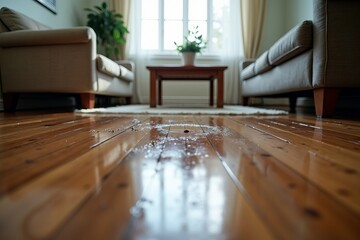
Restoration work is a complex process that requires knowledge, diligence, and a deep commitment to safety, for the workers involved as well as for homeowners relying on them. The risks can range from contaminated floodwaters to mold exposure and electrical hazards.
To minimize disruption and ensure structural integrity, water Restoration Companies Utah follow strict OSHA protocols. They also offer transparent communication and familiarity with insurance protocols to expedite claim approval.
Preparation
As a highly specialized service, biohazard cleanup requires training, experience and the right tools to address the situation in the best way possible. A good restoration company will use a comprehensive approach to clean, disinfect, and restore a property after a biohazard incident. This process ensures that the property is safe, compliant, and comfortable again.
However, despite the best efforts of restoration companies, there are still certain hazards that can exist on a worksite. This is why it’s vital that all companies follow certain safety best practices.
Before starting any restoration project, it’s essential that restoration workers carry out a risk assessment and identify potential issues. This is to ensure that any potential problems can be addressed before they lead to injury or illness. It’s also a great way to make sure that all employees are aware of the risks that they might face on a restoration job site and how to mitigate them.
This step is especially important for restoration workers who are dealing with hazardous materials or working in unstable environments. Creating a thorough health and safety manual is an excellent way to ensure that all workers are protected against any potential risks they might encounter on the job site. It should include a detailed written hazard communication program, a respiratory protection plan and an exposure control plan.
In addition, all restoration workers should be familiar with the specific Occupational Safety and Health Administration (OSHA) standards that are relevant to their job. These include guidelines on structural instability, mold and chemical exposure.
Once all the above steps have been taken, restoration workers should use appropriate personal protective equipment (PPE). This can include PPE such as masks, gloves and hazmat suits. It’s essential that all PPE is inspected regularly and replaced when needed to reduce the risk of accidents on the job.
As the world becomes more prone to natural disasters, it’s likely that restoration companies will continue to see an increase in their business. However, ensuring the safety of restoration workers is essential to avoid unnecessary injury and loss of life. By following the tips outlined above, it’s easy to ensure that restoration companies have the safety protocols in place to complete their work safely.
Containment
Whether it’s working on a mold remediation, water damage, or fire restoration project, containment is vital for maintaining safety. Containment prevents cross-contamination, allowing professionals to focus on affected areas without exposing unaffected parts of the building. This limits the scope of the work and reduces restoration costs.
Properly constructed containment also minimizes the risk of collapse or leakage, protecting both workers and customers. It’s important to consider how long the containment will be in place, as well as space restrictions, and what type of materials will be used to build it. The contractor must also ensure that it can be easily accessed for entry, exit, and equipment removal.
The restoration industry involves a wide variety of hazardous materials, from biological waste to chemical spills. The proper handling of these materials requires specialized training, personal protective equipment (PPE), hospital-grade disinfectants, and strict adherence to safety regulations. Restoration companies follow OSHA and EPA guidelines to protect employees and customers from contamination and ensure that every trace of dangerous contaminants is removed.
Professionals must also adhere to strict hazard assessment and communication requirements, including providing workers with safety data sheets for each substance they’ll be exposed to on the job. This ensures that everyone involved in the project is aware of any potential risks and how to respond to them.
For example, PPE like face masks and respirators must be used when cleaning up contaminated waste or reentering a mold containment. They also need to be properly maintained and replaced as needed.
Strict adherence to OSHA and environmental health and safety regulations demonstrates professionalism and builds trust with customers. It shows that you’re invested in the health and wellbeing of your crews and will go the extra mile to ensure they’re safe at all times. In addition, it helps protect the property you’re restoring from secondary damage caused by poor workmanship or lack of proper safety protocols.
Decontamination
Hazmat (hazardous materials) cleaning is a crucial part of restoration work and should always be entrusted to trained professionals. This type of cleanup focuses on blood, bodily fluids, chemicals and infectious agents that pose health risks when they come into contact with people. Professionals are equipped to properly handle these situations with personal protective equipment, containment tactics and potent disinfectants. They also understand and follow industrial safety protocols and adhere to legal regulations, minimizing risks for everyone involved.
This process involves removing, disinfecting and sanitizing materials, surfaces, and structures affected by biohazardous materials. It ensures harmful contaminants and pathogens are completely eliminated. The decontamination process may involve physical or chemical processes such as autoclaving, dry heat, filtration, irradiation, ultrasonication and chemical fumigation. Other options include using a liquid disinfectant to wipe or soak potentially contaminated material for varying periods of time. It may also involve gas and vapor sterilization, in which case the material is exposed to a sterile gas or vapor such as carbon dioxide, ethylene oxide (ETO), formaldehyde or hydrogen peroxide.
Regardless of the specific method used, it is essential to ensure all traces of contamination are removed from the property before moving forward with restoration work. This step is vital to prevent future liability issues for the property owner, and it can also affect the resale value of a home or commercial space.
Restoration companies often use decontamination lines to protect their workers from contaminants during the restoration process. These lines can consist of a work station with clean clothing, wash solution and lockers for storage. In addition, they can also include personal washing facilities with showers for full body wash. They may also include a cooling station to help cool workers during hot weather.
When it comes to restoration, there are many things that can go wrong. Fortunately, professional restoration services have the experience and resources to manage all types of disasters. They can assist in restoring homes and commercial spaces to their former condition quickly and efficiently, while adhering to strict industry standards. This allows them to offer their clients peace of mind, knowing that they are protected from any future liabilities related to the property.
Remediation
A restoration company’s work isn’t just about cleaning up water damage; it’s also about removing biohazard contaminants that could pose a threat to human health. From sewage backups to chemical spills, these contaminants pose significant risks for illness, infection, and death. Professional restoration companies are trained to handle these situations safely. They know how to properly dispose of biological waste, hazardous chemicals, and contaminated materials and equipment.
They also have the expertise and equipment to properly dry the area and remove odors, preventing secondary damage and mold growth. This ensures that the space is safe for occupancy. Restoration companies often follow strict protocols to reduce the risk of contaminating unaffected areas. This includes using physical barriers to isolate the impacted area from other areas of the property, and they clean surfaces with disinfectants of the highest standard.
To avoid electrical hazards, restoration workers make sure that all electrical systems are de-energized and inspected before starting their work. They also use ground-fault circuit interrupters and avoid standing water when operating electrical tools. They’ll also use air monitoring to assess air quality and wear respiratory protection when working in confined spaces.
Restoration professionals also have the training and personal protective equipment to address situations involving biological waste, including blood, bodily fluids, and hazardous chemicals. These materials can cause serious illnesses if not handled correctly, so it’s essential that these contaminants are dealt with by professionals who have the proper training and knowledge of how to dispose of them.
By following these key safety practices, restoration companies can provide a safer workplace for their employees and the property owners they serve. Their commitment to safety demonstrates professionalism and builds trust with clients, ensuring high-quality results that meet or exceed OSHA guidelines.